Navigating School-Year Anxiety: Mental Health Resources for Polk County Parents and Teachers
The return to the classroom brings excitement, fresh school supplies, and new routines across Central Florida. However, for many students, parents and educators, back-to-school season also triggers a sharp rise in stress, worry and social anxiety.
Navigating school anxiety in Polk communities requires early recognition, compassionate communication, and prompt access to care. Whether a student refuses to go to school in the morning or is experiencing panic symptoms or academic burnout, establishing strong support systems early in the school year helps ensure long-term emotional and academic success.
Identifying Student Anxiety During the School Year

School-related stress shows up differently across age groups. While older students may directly express feelings of being overwhelmed, younger children often show emotional distress through physical symptoms or sudden behavioral changes.
What Are the Signs of Back-to-School Distress?
- Physical Complaints: Frequent morning stomachaches, headaches, or nausea with no obvious medical cause.
- Behavioral Changes: Tendency to cry, throw temper tantrums before leaving for school, or cling to adults more than usual.
- Sleep Disruption: Difficulty falling asleep, frequent nightmares, or trouble waking up for school.
- Academic and Social Avoidance: Expressing intense worry about grades, difficulty making friends, or avoiding extracurricular activities.
Recognizing these early warning signs allows families and educators to collaborate before emotional distress escalates into chronic absenteeism.
How do 504 Plans or IEP Accommodations for Mental Health help?z
When emotional distress or anxiety significantly impacts a student’s ability to learn, public schools offer formal support options. Under federal law, students with diagnosed anxiety, depression, or other behavioral health conditions may be eligible for a 504 Plan or an Individualized Education Program (IEP).
504 Plans and IEPs are tools to connect students with the help they need to succeed in school. If your child requires specialized behavioral health support in Polk County schools, visit https://www.polkschoolsfl.com/quicklinks/section504 to learn more or contact your specific school administrator for guidance.
Here are a few suggestions that may help position your child for support services:
Document Specific Challenges
Keep a written record of how anxiety impacts your child’s school day. Include attendance notes, teacher feedback and documentation from a treating medical provider or therapist.
Submit a Written Request
Send a formal letter or email to your school’s principal, guidance counselor or Exceptional Student Education (ESE) contact requesting an evaluation for Section 504 accommodations or ESE services due to mental health concerns. Work alongside school psychologists, counselors and teachers to establish the necessary accommodations for the student.
Effective accommodations for student anxiety often include:
- Access to a quiet “cool-down” location during severe anxiety or panic.
- Extended time on tests and major classroom assignments.
- Scheduled movement breaks or passes to visit the school counselor.
- Seating arrangements away from high-distraction areas.
Participate in the Evaluation Process
Some school districts will conduct multidisciplinary assessments to evaluate how anxiety affects classroom engagement, academic performance and peer interaction.
Youth Counseling and Mental Health Resources in Polk County, FL
When classroom accommodations are not enough, outpatient behavioral health services provide structured guidance for children, teens and families. Finding a qualified child therapist can becritical for long-term recovery. Many providers have offices in Polk County and larger cities like Winter Haven, Lakeland and Bartow.
Local Behavioral Health and Youth Services
- Peace River Center Children’s Services: Provides pediatric outpatient counseling, crisis intervention and family therapy throughout Polk County. Learn more about local clinical care at Peace River Center.
- Lakeland Regional Health Child and Adolescent Psychiatry: Offers family-centered care for young people from early childhood through teenage years. Learn more about Lakeland Regional Health.
- Polk County Public Schools Mental Health Services: Dedicated school social workers and psychologists coordinate school-based counseling and referral programs. Access district support through Polk County Public Schools.
- National Alliance on Mental Illness (NAMI) Polk County: Offers free peer support groups, educational workshops and guidance for parents navigating youth mental health challenges. Explore family options viaNAMI Florida.
Supporting Educator Wellness in the Classroom
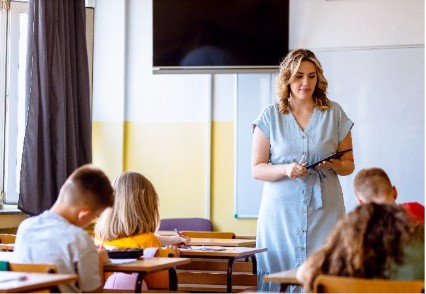
Teachers and school staff play a vital front-line role in spotting student distress. However, educators also face high levels of occupational stress during the back-to-school period.
To maintain a healthy classroom environment, educators are encouraged to:
- Practice Micro-Breaks: Incorporate brief mindfulness, deep-breathing exercises, or physical stretches between instruction periods.
- Utilize Employee Assistance Programs (EAPs): Access confidential, short-term counseling through district-provided wellness benefits.
- Foster Peer Connections: Build collaborative support systems with fellow teachers to share strategies for managing workload and provide emotional support.
Take the Next Step Toward School-Year Wellness
Back-to-school transitions do not have to be defined by stress or the feeling of being overwhelmed. By pairing early recognition with local community resources and school-based accommodations, families and teachers can create a supportive environment where students thrive.
- For Immediate Crisis Support: Call or text 988 for free, confidential, 24/7 assistance.
- Peace River Center’s 24-Hour Emotional Support and Crisis Line: (863) 519-3744 or send “Talk” to (863) 204-3443.
Explore further articles, parenting guides, and community insights on our Behavioral Health Blog Hub.