Domestic Violence and Mental Health: Finding Safety and Support in Polk County
October is National Domestic Violence Awareness Month, a time to raise awareness about domestic violence and connect survivors with help.
When we talk about domestic violence, also known as intimate partner violence, we often focus on immediate safety, such as finding shelter or getting legal protection. But abuse can also have a lasting effect on a survivor’s mental and emotional health.
For survivors in Lakeland, Bartow, Winter Haven and other communities throughout Polk County, leaving an abusive situation may only be the beginning of recovery. Survivors may also face trauma, anxiety, depression, substance use, housing challenges and other mental health concerns.
How Does Domestic Violence Affect Mental Health?
Domestic violence is not limited to physical harm. Abuse can also include threats, intimidation, emotional abuse, financial control and other behaviors used to gain power over another person.
These experiences can continue to affect survivors even after they are physically safe.
Living with abuse can cause a person to feel like they always need to be on alert. Over time, this stress can affect both physical and mental health.
Some survivors may experience:
- Anxiety or panic attacks
- Depression
- Post-traumatic stress disorder (PTSD)
- Trouble sleeping
- Flashbacks or unwanted memories
- Difficulty feeling safe
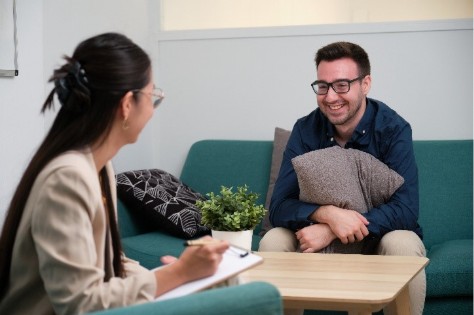
Trauma-informed counseling can help survivors understand these experiences and begin the healing process. Find therapy and counseling services in Polk County, Florida.
Substance Use and Trauma
Domestic violence and substance use can sometimes occur together. Some survivors may turn to alcohol or drugs to cope with trauma, anxiety, emotional pain or difficulty sleeping.
In other situations, an abusive partner may use drugs or alcohol as another form of control.
When trauma and substance use happen together, treatment that addresses both concerns can help support long-term recovery.
Housing and Safety After Domestic Violence
Leaving an abusive relationship can also create immediate housing and financial challenges.
Some survivors experience financial abuse, such as having limited access to money, being prevented from working or having debt created in their name. This can make finding safe housing even more difficult.
Emergency shelters and housing assistance can give survivors a safe place to stay while they determine their next steps.
Where to Find Immediate Help in Polk County, Florida?
If you or someone you know needs immediate help related to domestic violence or a mental health crisis, resources are available.
- Peace River Center Domestic Violence Crisis Line (863) 413-2700
Available 24/7 for domestic violence support, safety planning, advocacy and information about emergency shelter.
- Peace River Center Emotional Support and Crisis Line: (863) 519-3744 Text “TALK” to 863-204-3443 for additional support.
- National Domestic Violence Hotline: 1-800-799-SAFE (7233)
Provides confidential, 24/7 support, safety planning and resources.
- 988 Suicide and Crisis Lifeline
Call or text 988 for 24/7 mental health crisis and emotional support.
- NAMI Polk County (863) 616-9642
Provides mental health education and peer and family support.
If you are in immediate physical danger, call 911.
Frequently Asked Questions (FAQ)
- Where can someone experiencing domestic violence find help in Polk County?
Peace River Center provides domestic violence services in Polk County, including crisis support, safety planning, advocacy and emergency shelter. Call the 24-hour Domestic Violence Crisis Line at (863) 413-2700. - Where can survivors find mental health support?
Survivors can contact Peace River Center’s Emotional Support and Crisis Line at (863) 519-3744. Mental health counseling and other community resources are also available throughout Polk County. - What is trauma-informed counseling?
Trauma-informed counseling recognizes how traumatic experiences can affect a person’s mental, emotional and physical health. This type of care focuses on creating a safe and supportive environment while helping survivors regain a sense of control and move toward recovery. - How are domestic violence and substance use connected?
Some survivors may use alcohol or drugs to cope with trauma, anxiety or emotional pain. In other cases, an abusive partner may use substances as a way to control someone. Treatment that addresses both trauma and substance use can help survivors work toward recovery. - Where can survivors find legal assistance in Polk County?
Survivors who need help with protective injunctions, family law or other legal concerns may contact the Heart of Florida Legal Aid Society at (863) 519-5663. Domestic violence advocates may also be able to help survivors understand available legal resources. The Polk County Clerk’s office provides resources online for survivors wanting to file an injunction for protection (restraining order).
Moving From Crisis to Healing
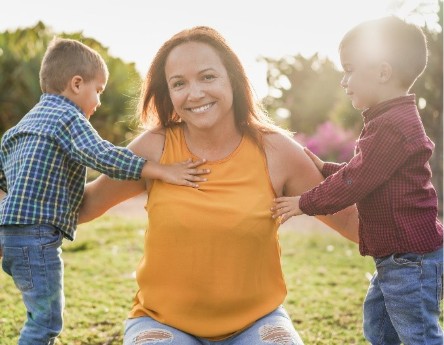
Supporting survivors of domestic violence goes beyond helping someone leave an unsafe situation. Recovery may also involve mental health care, safe housing, substance use treatment, legal assistance and ongoing community support.
Friends, family members and community organizations can help by listening without judgment, respecting a survivor’s choices and connecting them with trusted resources.
Most importantly, survivors should know that help is available.
If you are in immediate physical danger, call 911. For domestic violence crisis support in Polk County, call Peace River Center’s 24-hour Domestic Violence Crisis Line at (863) 413-2700.