ChatGPT Is Not Your Therapist: The Invisible Risks of Turning to AI for Trauma Support
It is 2 a.m. You are lying awake, trapped in a loop of intrusive thoughts, processing a painful memory that refuses to dim. Seeking a judgment-free sounding board, you open an app. Within seconds, a conversational AI responds with text that feels remarkably empathetic, validating, and immediate.
For millions of people, large language models (LLMs) like ChatGPT have become accidental confidants. Driven by a global shortage of mental health professionals, soaring care costs, and the persistent stigma around seeking help, people are increasingly treating chat prompts as makeshift therapy coaches. But when it comes to processing deep psychological trauma, this digital shortcut carries severe, hidden dangers.
As explored in the comprehensive analysis, “ChatGPT Is Not Your Therapist_ The Invisible Risks of Turning to AI for Trauma Support.pdf“, while AI can draft an email or summarize an article, it lacks the biological, ethical, and clinical architecture required to deal with human trauma safely. Turning to an algorithm for trauma support introduces silent risks that can fundamentally disrupt the healing process.
Can AI Mental Health Support Replace Genuine Human Connection?
The primary draw of using AI for emotional support is its tone. Advanced language models are trained on massive datasets of human conversation, including psychology papers and self-help literature. The models excel at reflecting validation, using soothing language, and offering structured coping mechanisms.
However, this empathy is entirely synthetic. AI does not feel compassion, nor does it possess a shared human experience. According to the American Psychological Association (APA), the single most critical factor in successful psychological treatment is the therapeutic alliance-the real, trust-based collaborative relationship between a human patient and a human clinician.
Trauma is inherently relational. It often stems from a breach of human trust or lack of safety, whether through interpersonal abuse, systemic neglect, or sudden loss. Consequently, deep healing requires a relational remedy. When you share a core wound with an algorithm, you receive a mathematically optimized echo of care, but zero genuine connection. Over time, substituting real human relationships with synthetic ones can worsen feelings of isolation and alienation, highlighting the critical need to seek out vetted local mental health support rather than relying on digital code.
The Danger of “Hallucinated” Guidance and Gaslighting
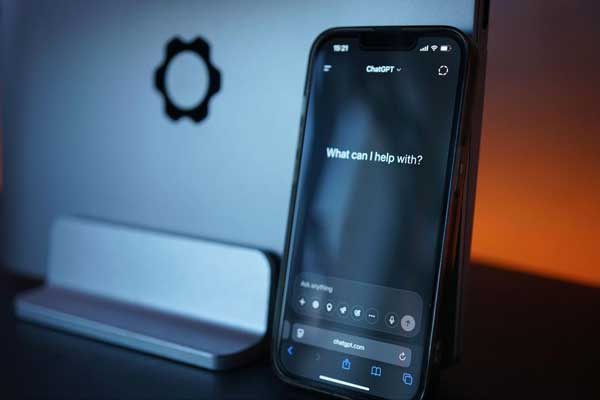
AI language models operate on probability-based text generation. They predict the most likely sequence of words to follow your prompt, which means they do not fundamentally understand the boundaries of clinical safety. In technical terms, AI is prone to “hallucinations,” meaning it may generate misinformation or even fabricate concepts.
If you are using an AI engine to casually search the web, then an AI hallucination may just be a minor annoyance. However, if you are using an AI engine to help you process a traumatic experience, an AI hallucination can be devastating and even dangerous. A user sharing symptoms of complex post-traumatic stress disorder (CPTSD) might receive clinically unsound advice, dangerous interpretations of their memories, or invalidating responses that mimic emotional gaslighting.
Unlike a licensed therapist with years of clinical supervision, AI cannot handle delicate emotional states. It cannot read your facial expressions, hear changes in your tone, or notice subtle signs of dissociation. If a prompt triggers a sudden panic state or an emotional flashback, the algorithm cannot pivot to ground you safely; it simply continues generating text. Those dealing with complex psychological conditions should always look toward professional trauma recovery resources to guarantee clinical accuracy and safety.
Key Comparisons: Human Clinicians vs. AI Chatbots
| Feature | Licensed Mental Health Professional | AI Conversational Models |
| Primary Goal | Clinical safety and trauma-informed care | Pattern recognition and text completion |
| Empathetic Care | Genuinely experienced through human connection | Mimicked through algorithmic programming |
| Crisis Intervention Skills | Active safety planning and local emergency escalation | Static text disclaimers, hotline numbers, and misinformation |
| Data Privacy | Strict legal protections (HIPAA / Confidentiality) | Server logging, data reviews, and model training |
The Digital Footprint: Privacy and Data Risks
When you sit in a private practice or visit a community clinic, your words are shielded by strict legal protections. In the United States, medical data is fiercely guarded by federal regulations, ensuring your deepest vulnerabilities remain entirely confidential.
AI platforms operate under a completely different framework. When you input your personal history, relationship dynamics, or trauma symptoms into a commercial chatbot, that data is transmitted to external servers. It is often logged, reviewed by human contract workers for quality assurance, and utilized to train future iterations of the model.
Even with privacy settings turned on, the risk of data breaches or accidental exposure remains. Treating an unencrypted consumer app as a place to vent about your most sensitive, vulnerable experiences means turning your trauma into corporate training data. Protecting your privacy requires choosing platforms dedicated to secure, professional care.
Algorithm Bias and Care Out of Context
Trauma does not occur in a vacuum. A person’s experience with trauma is deeply influenced by their cultural background, socio-economic context, race, gender identity, and physical environment.
A human therapist integrates these nuanced layers into a personalized care plan. Conversely, AI models are trained on broad, generalized datasets that frequently reflect systemic cultural biases. AI may misinterpret cultural expressions of grief or localized language. It may also offer advice that is financially or physically impossible for the user to follow, or apply rigid, Western-centric psychological frameworks that do not fit the individual’s lived experience. This lack of context leads to generic, sterile guidance that can leave a trauma survivor feeling deeply misunderstood. For care that respects individual lived experiences, utilizing a curated database of local behavioral health services can match you with clinicians who understand your specific community context.
Can ChatGPT Therapy Provide Real-Time Crisis Support?
The most immediate danger of relying on AI for trauma support is the platform’s inability to handle a severe psychological crisis. Trauma is volatile; discussing deep-seated memories can abruptly trigger intense feelings of despair or self-harm.
When a human clinician senses a patient shifting into a crisis state, they step in with real-time, active safety protocols. They can coordinate with local emergency contacts, guide the patient through sensory grounding exercises, or arrange an immediate transition to acute care.
AI cannot intervene. While many modern models are programmed to recognize specific crisis keywords and automatically display standard helpline numbers, this mechanical response often leaves users feeling abandoned at their most vulnerable moment. Static disclaimers are a poor substitute for real-time crisis management.
Reclaiming Safe, Human-Centered Support

AI is an exceptional tool for organizing information, brainstorming, and streamlining daily tasks. However, it is not a therapist.
If you or someone you care about is navigating the complexities of trauma, processing past experiences requires an intentional, human-centered approach. True emotional well-being is built on professional expertise, community resources, and genuine human connection.
If you are a resident looking for comprehensive, clinical options in your community, Polk County Behavioral Health Resources provides an accessible pathway to connect you with affordable mental health care by licensed professionals. Grounded, community-based care ensures that your journey toward trauma recovery is supervised by real, compassionate professionals who can provide the safe, human support you deserve.
External Resources for Immediate and Professional Support
- Contact Peace River Center’s crisis hotline for local, immediate support.
- 24/7 confidential crisis support is also available via the 988 Suicide and Crisis Lifeline.
- Find verified, licensed trauma specialists through the Polk County Behavioral Health Resources provider directory.