Understanding Autism: Celebrating Awareness Month in Polk County, FL
Every April, Autism Awareness Month invites us to deepen our understanding of autism and reflect on how we can build more inclusive communities. A key part of this effort is learning what autism spectrum disorder is and how it affects people differently. While awareness is an important starting point, this month is ultimately about something more meaningful: acceptance, inclusion, and respect for neurodiversity.
Autism spectrum disorder affects individuals in unique and varied ways. No two autistic people share the same experiences, strengths, or challenges. Recognizing and embracing this diversity is essential to providing meaningful support and creating environments where individuals on the spectrum can thrive.
For families and caregivers, especially those in Polk County, Florida, access to reliable, local resources can make a significant difference. Polk County Behavioral Health Resources offers a helpful starting point, including a “Getting Started” page that guides users through available services and support options.
By learning more about autism, we can reduce stigma, challenge misconceptions, and celebrate the contributions of autistic individuals. Embracing neurodiversity helps create a culture where differences are not just accepted but valued.
What Is Autism Spectrum Disorder (ASD)?
Autism spectrum disorder (ASD) is a developmental condition that affects how a person communicates, interacts socially, and processes the world around them. It is described as a “spectrum” because it encompasses a wide range of experiences, abilities, and support needs.
Some autistic individuals may require significant daily support, while others live independently and may have exceptional abilities in certain areas. This variability is a defining feature of ASD and underscores the importance of individualized understanding and care.
Common autistic characteristics may include:
- Differences in social interaction (e.g., difficulty interpreting social cues)
- Communication challenges (verbal and nonverbal)
- Repetitive behaviors or routines
- Sensory sensitivities (to sound, light, touch, etc.)
- Deep interests or specialized skills
It’s equally important to recognize strengths. Many autistic individuals demonstrate remarkable attention to detail, strong memory, creativity, and expertise in areas of interest.
Early diagnosis and intervention can significantly improve outcomes, but support at any stage of life can help autistic individuals lead fulfilling and meaningful lives.
Why Autism Awareness Month Matters
Autism Awareness Month plays a critical role in increasing understanding and promoting inclusion. It creates space for education, conversation, and advocacy, helping communities move beyond misconceptions toward empathy and action.
Awareness is the first step, but it must lead to acceptance. When people understand autism more deeply, they are better equipped to create supportive environments in schools, workplaces, and communities.
Throughout April, organizations and communities:
- Share educational resources
- Highlight the lived experiences of autistic individuals
- Promote early screening and intervention
- Support families and caregivers
- Advocate for equitable services and rights
For those interested in local insights, Polk County Behavioral Health Resources’ “By the Numbers” page provides a snapshot of behavioral health trends and needs within the community.
Ultimately, Autism Awareness Month is a call to action, encouraging all of us to contribute to a more inclusive and understanding society.
Recognizing Both Signs and Strengths in Autism
Understanding autism requires a balanced perspective — one that acknowledges both challenges and strengths.
Some autistic individuals may experience:
- Difficulty with social communication
- Preference for routines or predictability
- Sensory sensitivities
- Repetitive movements or behaviors
At the same time, many autistic individuals possess strengths such as:
- Exceptional focus and attention to detail
- Strong pattern recognition
- Deep knowledge in areas of interest
- Honesty and unique problem-solving perspectives
Focusing only on challenges can limit opportunities. Recognizing strengths allows families, educators, and communities to better support growth, confidence, and independence.
Promoting Acceptance and Inclusion
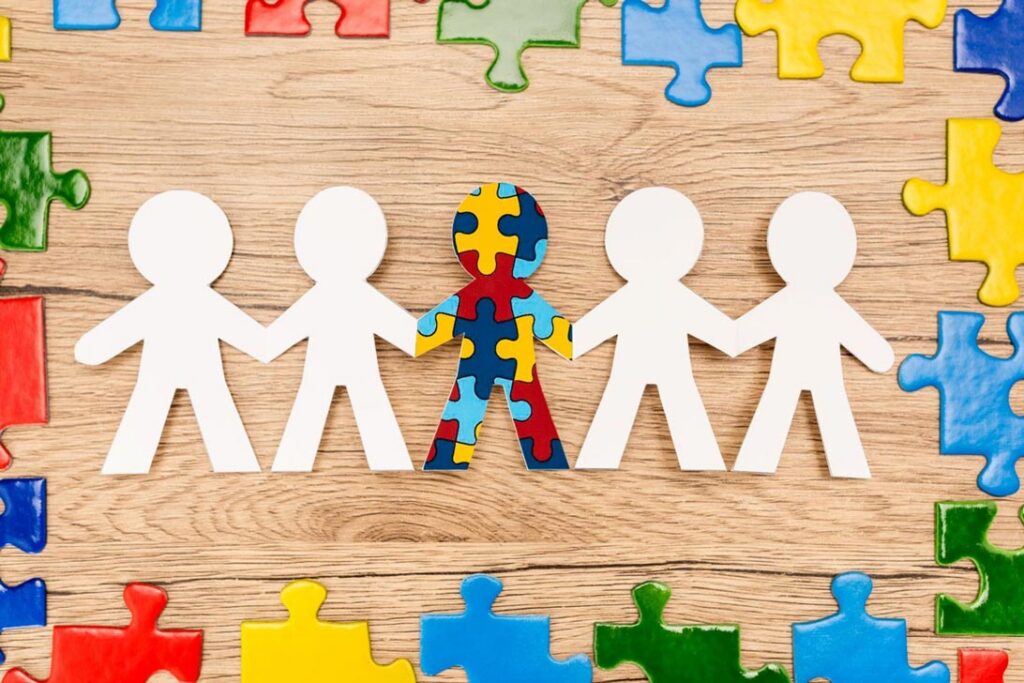
Awareness alone is not enough – true progress comes from acceptance and inclusion.
Acceptance means valuing individuals with autism for who they are, rather than expecting them to conform to narrow definitions of “normal.” It involves listening, respecting differences, and fostering environments where people feel safe being themselves.
Inclusion goes a step further by ensuring equal access to opportunities in education, employment, and community activities.
Inclusive environments benefit everyone. They encourage diverse perspectives, improve innovation, and strengthen communities.
Practical steps to promote inclusion include:
- Educating yourself further about ASD
- Designing sensory-friendly spaces
- Supporting inclusive classrooms and workplaces
- Encouraging open conversations about neurodiversity
How Do I Support the Autistic Community in Polk County, Florida?
Supporting the autistic community doesn’t require specialized training — it starts with awareness, empathy, and action.
You can make a meaningful impact by:
- Educating yourself about ASD and supporting organizations dedicated to improving the lives of autistic individuals
- Volunteering with local organizations or events
- Advocating for inclusive policies and accessible services
- Practicing empathy in everyday interactions
Small, consistent efforts can lead to lasting change. When individuals feel understood and supported, entire communities become stronger.
Finding Local Resources and Support
Awareness is important, but access to care and services is essential.
If you or someone you know needs help navigating behavioral health services in Polk County, Florida, Polk County Behavioral Health Resources is a valuable hub for information. Their platform includes:
- A “Getting Started” guide for navigating services
- A “Find a Provider” tool to locate care options
- Community-based resources for individuals and families
For residents without insurance or with limited income, the Polk HealthCare Plan may offer additional support. The plan includes behavioral health services and specialist care for eligible individuals. You can review eligibility requirements on the website. Having clear, accessible pathways to care reduces stress and helps individuals receive the support they need more quickly.
Moving Beyond Awareness: Embracing Neurodiversity
Neurodiversity is the idea that differences in how people think and process the world are natural and valuable. Autism is one of many variations that contribute to human diversity.
Embracing neurodiversity means shifting our perspective from trying to “fix” differences to understanding and supporting them.
This can look like:
- Recognizing and nurturing individual strengths
- Expanding definitions of what is considered “typical”
- Advocating for representation and inclusion across media, education, and workplaces
When we embrace neurodiversity, we create space for innovation, creativity, and a richer understanding of the human experience.
Celebrating the Autistic Community Year-Round in Polk County, Florida

Autism Awareness Month is just the beginning. The principles of acceptance, inclusion, and respect should extend far beyond the month of April.
Ongoing advocacy and support help ensure that individuals with autism receive the recognition, opportunities, and resources they deserve. By committing to these values year-round, we build stronger, more inclusive communities for everyone.
If you’re in Polk County, Florida, consider sharing local resources with families, educators, and caregivers. Increasing access to information is one of the simplest and most impactful ways to make a difference.